Monday, February 1, 2016

Gambas al Ajillo (Spanish shrimp with garlic)

Complexity. Depth. Perfection. And certainly, unquestionably, with no possibility for ever changing, the best shrimp recipe I have ever made, or will ever make. Thank you, Kenji Lopez, for bringing joy to my shrimp experience tonight.

Gambas al ajillo is a staple Spanish tapa that simply means "shrimp with garlic". But this dish is so much more than that - it somehow extracts all of the flavor in every ounce of the shrimp and garlic, done so exquisitely that you wonder how you have ever eaten either of these things alone before.

I have wanted to make this dish for years, and almost did so with my brother last month. Fortunately, my new favorite recipe site, Serious Eats, brought us their version of this dish, which casts aside paprika often used to redden the oil in favor of making a garlic and shrimp shell infused oil and then quickly sauteing in that. The magic of the dish comes in the form of brilliant usage of the "three flavors of garlic" - a mellow, astringent, and savory mix created only by the careful application of heat to the garlic in three different cuts. I have never served a dish with garlic treated any more than a single way, but now I've tried it three ways, I instantly understand why this is a brilliant idea.


Saturday, January 23, 2016

Americanized Kung Pao Chicken

One of my new favorite websites is Serious Eats. Their head chef has some great recipes informed by testing out different ways of making each dish, and they also have other authors (read into that as you will). We tried both versions of Kenji Lopez's kung pao chicken, and were pleasantly surprised by both of them. Naturally, being filthy Americans, we were fans of the Americanized or "take out" version, which uses vinegar, bell peppers, and celery to create a delicious replica of the usual restaurant order. It was instantly obvious that white vinegar was the missing ingredient in some take-out recipes, so I'll be on the lookout for ways to shove this into other stir-fries. The authentic version uses a Chinese black vinegar known as Chinkiang vinegar along with leeks and Sichuan peppercorns, which is definitely worth checking out as well. Stay tuned for my repost of that recipe, or just go here for the original one.


Friday, January 22, 2016

Chicken Cacciatore

Nothing says winter cooking better than a good stew. Chicken cacciatore is an Italian chicken fricassee, with some added tomatoes, red wine, and olives bringing the Italian flavor on top of the usual mushrooms, onions, and garlic that are probably shared with almost all of the chicken stews out there. It translates as "hunter's style chicken", defined as having onions, garlic, and tomatoes. It actually has some commonality with Jägerschnitzel if you have tried it, given the addition of mushrooms and herbs in the sauce. And while I can't capture the smells in this post, I assure you that the combination of rosemary, onions, garlic, and sage make for some memorable comfort food.

I pulled my recipe from The Joy of Cooking, which is a great reference book for those getting started. The well-worn page of this recipe also contains Brunswick stew and coq au vin, making it easily the most used page in the whole book for me. But I'll repost the recipe here, with my notes on the process added. The recipe does state that the oil-cured olives are optional, but I highly recommend adding them, as it gives a briny, salty punch reminiscent of a good puttanesca sauce.


Monday, January 18, 2016

Vietnamese Lemongrass Beef Salad (Bun Bo Xao)

One of the most common Vietnamese dishes is some form of grilled, marinated beef served on, in, or at least near some rice noodles. Just like tex-mex food in Jim Gaffigan's words (tortillas with meat, cheese, or vegetables), bun bo xao is one such construction of beef with rice noodles and cilantro, and is on almost every Vietnamese menu other than at pho restaurants. I've made pho before, but have actually never made this dish until now. It turns out that not only is it somewhat simple, it's also incredibly delicious, and replicates the restaurant version almost identically.

I made this dish by merging a few different recipes, some coming from the very excellent book Vietnamese Street Food, by Tracey Lister and Andreas Pohl. The key components of the dish are the lemongrass marinated beef, the raw salad components, and the seasoning sauce, nuoc cham truyen thong.


Tuesday, November 10, 2015

Homemade Ginger Ale

Soda. Pop. Cola. Diabetes-in-a-can. Whatever you call it, we all know what it is. Hyper-sweetened, carbonated, ice-cold liquid distraction, taking you away from your miserable life for just a few minutes before dropping you right back where you started, perhaps the worse for wear. Or maybe you're drinking diet soda, so you can have all of the kidney stones and same insulin shock without any of the last few shreds of natural ingredients in this type of beverage. But can't it be something more? Can't soda be something less sweet, more flavorful, and more wholesome, perhaps even with some alcohol, and where you don't feel guilty after drinking? Yes it can!

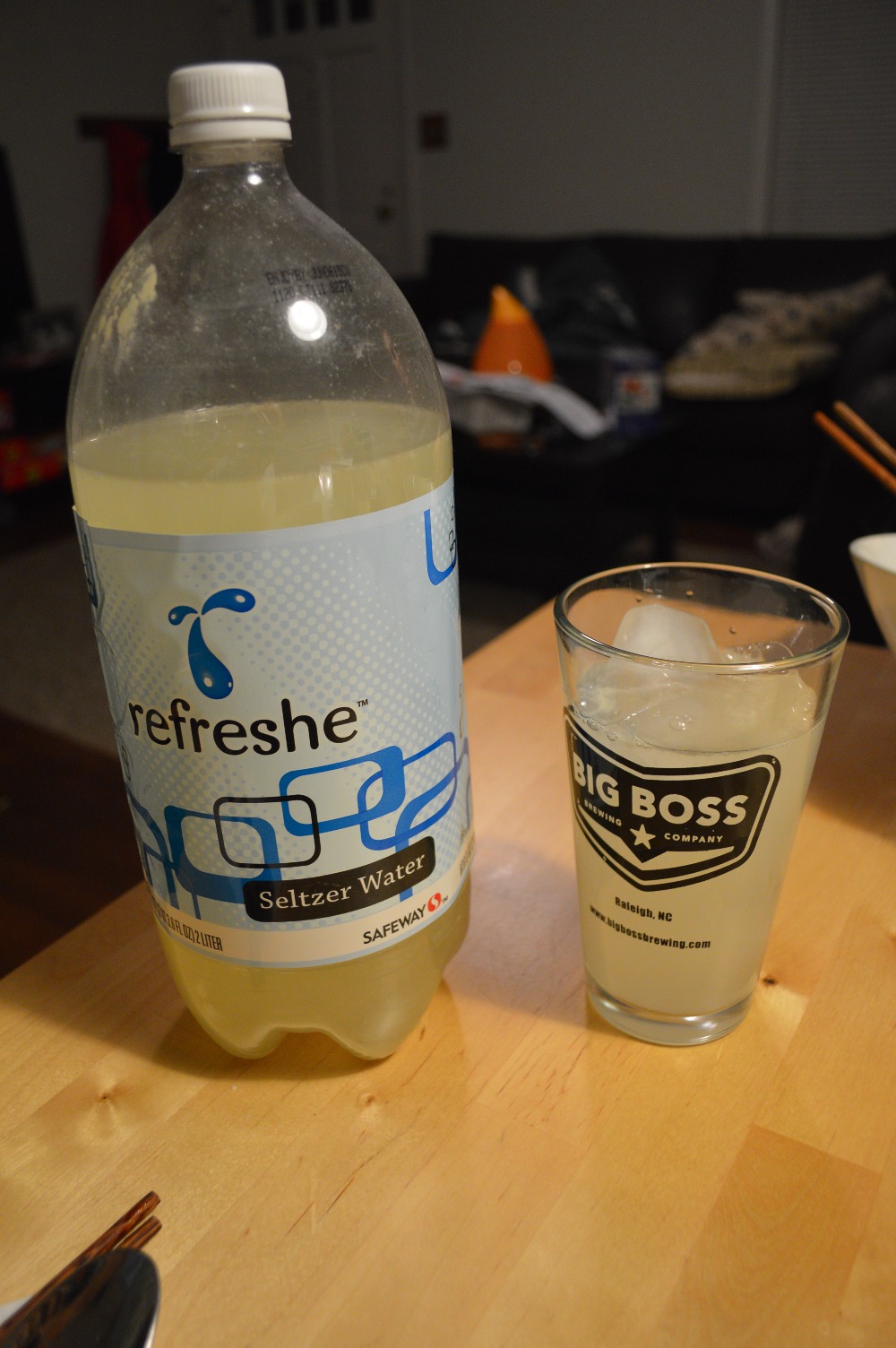
Try this homemade ginger ale recipe next time you're about to reach for a thirst quencher. Carbonation in this soda is achieved the old-fashioned way, and exactly the same way as beer - the sugars are fermented, creating carbon dioxide (and trace amounts of alcohol). It's the same for cola, ginger ale, sarsaparilla, root beer, or whatever voodoo tonic one might brew up. What you're left with is a ginger ale that's delicious and refreshing, not nearly as sweet as the store-bought version but surprisingly satisfying despite its less syrupy contents. All you need is some bread yeast, ginger, sugar, an empty 2 liter soda bottle, and a few days of patience, and you're in business. Just make sure to burp that bottle every once in a while after it's fermented, or it could bulge or even burst in your fridge or on your nicely cleaned floor.


LinkWithin

Related Posts Plugin for WordPress, Blogger...